


Hello and Welcome to…
Em’s World

It never ceases to amaze me how nature can adapt to survive and how animals and plants can thrive in the harshest climates. Two of the most interesting animals that I have learnt about since living in Australia are the echidna and the duck-billed platypus, which belong to an order named monotremes.
What are Monotremes?
There are two subclasses of mammals, those that give birth to live young and those that lay eggs. Australia and Papua New Guinea are the only countries in the world that host the monotreme at the present time. Monotremes have a single opening for excretion and reproduction and are the only species of mammal that lay eggs. The monotreme order consists of the echidna and the duck-billed platypus. These mammals are Electroreceptive, this means that they have receptors in their snouts (echidna) and bills (platypus) that can detect electronic signals given off by their prey. The platypus has many more receptors than the echidna. Fossils of monotremes have been found that date back millions of years! A fossil of a platypus was found in South America which was traced to the Paleogene Period 65.5 to 23 million years ago. Although neither of these animals are on the endangered list at present, environmental issues put these curious creatures under threat due to the destruction of their habitat.
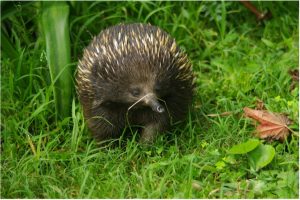
Fun Facts about Monotremes
Echidnas
- Short-beaked echidnas can flick their tongue up to 100 times per minute when scooping up ants.
- Their spines are made from hair and they have soft hair in between to insulate them.
- A baby echidna is called a ‘puggle’.
- There are four species of echidna, they are very hardy and have been sighted in dessert and snow-covered regions and all others in between.
- In winter, echidna’s form mating trains where up to 10 male echidnas line up nose to tail in a queue behind the female and wait their turn to mate with her. This train can last for up to a month. Often a female echidna can wake up from hibernation and find herself pregnant thanks to a sneaky male who wakes early from hibernation and impregnates her while she is asleep!
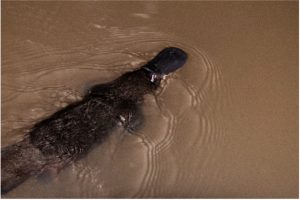
The Duck-Billed Platypus
- The male platypus is a venomous mammal. It has a spur on the back of its hind feet connected to a venom gland. This is thought to be used mostly in mating season where males compete for a mate.
- When the platypus was first taken to the UK from Australia, the BBC reported that people thought that the animal was a hoax and that the public believed someone was trying to trick them by joining two animals together.
- Fossils of an ancient platypus have been found and show that they once reached 1meter/3.3feet long.
- Although the platypus is most at home in the water, it can only stay submerged for one to two minutes at a time. However, the webbing in between their toes used for swimming retracts when the animal is on land changing to sharp claws.
- The female does not have nipples to feed her young, instead, she has mammary gland ducts on her abdomen and the babies suck milk from folds in her skin or her hair.
Australian Beauty
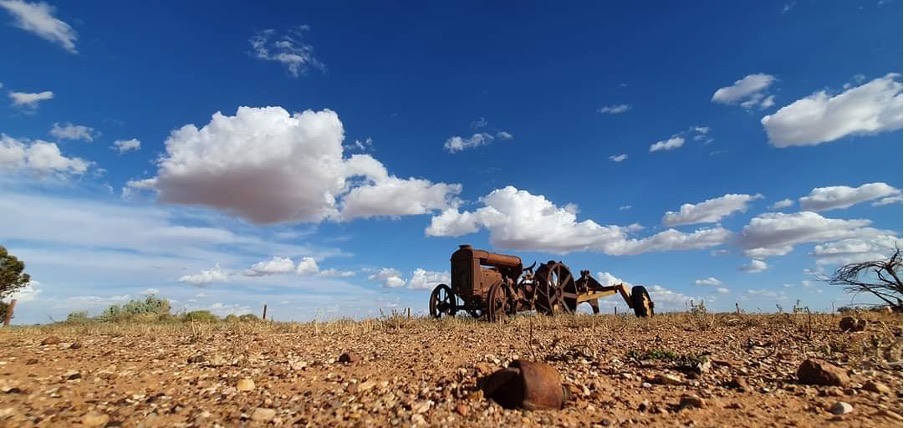
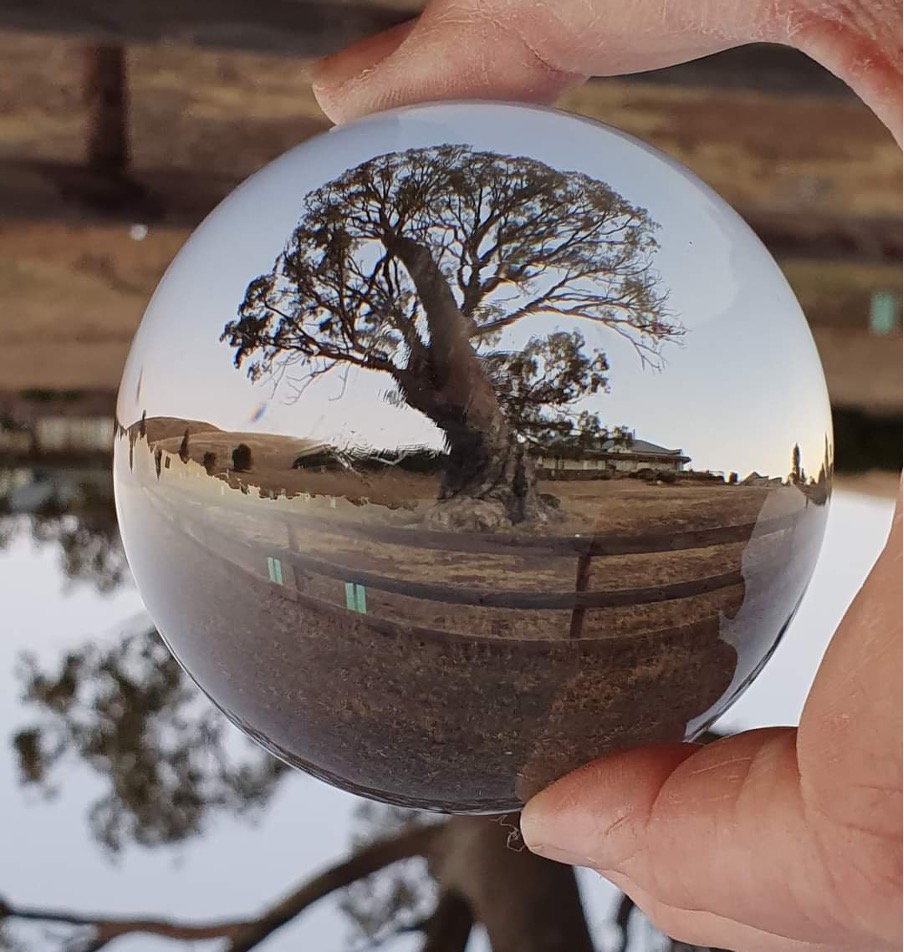
My friend Mel is a true trailblazer; she is one of those people who is always planning her next adventure. She also happens to be an amazing photographer and I am lucky enough to travel this beautiful countryside vicariously through the lens of her camera. As this week’s theme is the natural world I thought it would be a perfect opportunity to share some of her incredible photographs with you. Photography by Mel Rickard taken with her Samsung phone.




For all my articles click here or on my name at the top of this page, or head over to my Facebook page ‘Em at Lengro’.