


Hi lovely Lengro readers, I hope you’re well. This week it’s Children’s Mental Health Week, and so that is exactly what I am chatting about in this week’s ‘Winging it/Singing it’. We all know just how tough it is for everyone right now, and it is no different for our children and young people. As a parent or carer, you may be worried about your child and how this situation may be affecting them. It is so important that we help our children with their mental health and wellbeing. I think we all need the right tools to equip ourselves in how best to deal with a child’s mental health, and it is our duty to help and support them in every way that we can.
“When little people are overwhelmed by big emotions, it’s our job to share our calm not to join their chaos.”
– L. R. Knots
Although no one will ever feel the same as someone else or struggle in the same way, there are some things that you should try that will help you to help and support your child (or grandchild or a child you are concerned about);
Listen and be understanding – Listen to your child and don’t judge them. You need to reassure your child that they can talk to you about anything at any time, and this hopefully will allow them to feel comfortable to tell you if they are struggling with anything.

Show them affection – Tell them (and show them) how much they are loved and cared for and this will make them feel wanted and loved. It will also give them a sense of belonging and a place where they can feel safe. Providing a peaceful and loving environment can be so helpful for your child’s recovery and wellbeing.
Research and Support – There are many different mental illnesses, some are temporary and they are feelings and emotions that your child needs to work through and figure out. Some are more long term that you might need more support with. Keeping yourself informed on what your child has told you and what you may or may not know about what they are going through. This will help you talk more with your child and it will help them realise that they are not alone. Don’t be afraid to seek advice from mental health professionals. They have a vast amount of experience in dealing with people suffering from all types of mental health issues and can give you lots of advice. There are also support groups available for parents, guardians, and carers too.

Don’t blame yourself – It is so easy for a parent to blame themselves for the things that their child is going through. They think they have caused their child to feel this way. Whether it is through their home life and environment or maybe even genetics. This, however, in many circumstances, is not the case at all. The only thing you can do is be there for your child and help them.
Friends and family – This applies to both you and your child. You do not have to go through these tough times alone. Talk to friends and family members, they might have some understanding of your situation, even if they don’t, I’m sure that they will sympathise and help you as much as they can. It is also good for the child to open up, even just a little, to others. It might be a grandparent or cousin, or a friend. Sometimes it can be a friend’s parent or teacher. Whoever they feel comfortable and safe with will be a support to them.

Do things together – Doing activities together will bring everyone in your family closer and will help you all bond so much more and conversations will come more naturally. Also, this will generally help you all with your wellbeing and mood. Ask your child what they would like to do. Enjoy the time you spend together but understand that your child might find somethings difficult and overwhelming (especially if places are busy or loud), but try different things and you will all start enjoying activities together again.
5 tips to help with Children’s mental health and wellbeing
1. Focus on the things you can control
Focusing on what might have been and the things that are out of our control can be emotionally draining, so try instead to focus on what you can do with your child. Find things to get excited about and create positive moments.
Maybe you and your child could decide to have their favourite dinner, and you could all dress up for the occasion. Or organise a movie night where your child picks their favourite movie to watch together. Give your child some control in the decisions that are made.
2. Get out and about
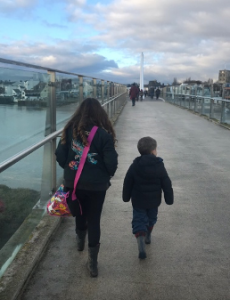
You will probably know by now if you have read any of my previous articles that we are very big on getting outdoors. The fresh air, natural light and exercise are great for our mental health, even in colder weather! Just wrap up warm and get outside, even if it is only for a little while. Everyone will benefit.
3. Stay in touch
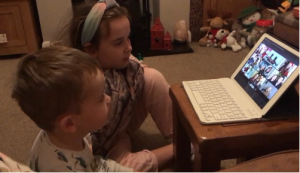
It is so important to find ways to help children stay in touch with their extended family and friends, which is, of course, difficult right now. We like to send letters and pictures (a great way to get some of their lovely creations out of the house), photos and short video clips to friends and loved ones. It can be a fun way to stay connected. And of course, phone calls and FaceTime calls are good too. Sometimes we call my Mum just to watch the same program together – The Masked Singer is one of those programs that just needs discussion!
4. Be creative
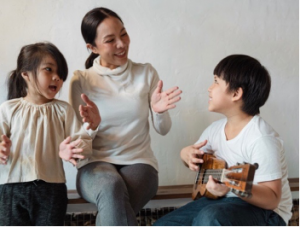
Being creative is a great way for children (and adults) to express their feelings and emotions. You can get your child into art, music, writing, dance, drama, photography, and film – any activities that make them feel good. I know that my students at school have said how much better they feel when they have their singing lessons and I encourage them to continue with their singing during lockdown to help with their wellbeing. You can have a look at my previous article on the benefits of singing here.
5. Write things down
This is a tough one for younger children but is a great idea for children at secondary school age. If a child is struggling with some difficult feelings, it can sometimes be helpful to write some of their feelings down, whether it is in a diary, or on their phone, or just at times when they are struggling. Encourage them to make a note of things that they find helpful or things that seem to make them feel worse.
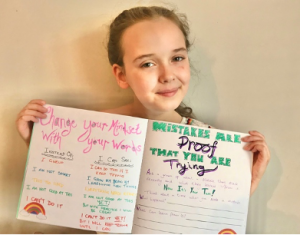
Younger children respond well to wellbeing journals. Actually, these types of journals are really helpful for all ages. You can get different ones to help in different ways. They can be aimed at younger children, or focused on anxiety, or finding happiness. There plenty out there and you will find the one that best suits your child (or yourself). You could even make your own like Kacey and I did. Check out this article to find out a bit more about it.
I hope this helped…
This is by no means an exhaustive list of what you can do to help your child suffering from mental health problems. There are many other things you can do, but I hope these ideas will be a starting point for you when helping your child. You can also have a look at the ‘Action for Children’ website – they have a huge amount of information to support you. This page on emotional wellbeing is a great place to start.
Let’s try and find the best in the worst situation. Find people and things that are comforting, supportive and fun, and try to find the positives at difficult times.
Good luck, stay strong, and don’t forget to ask for help.
Gemma x
Instagram: @gemquayle
Facebook: Gemma Quayle’s Winging it/Singing it
There are people that are here for you. Here are some numbers if you feel like you do need help:
CALM (Campaign Against Living Miserably): 0800 58 58 58
Samaritans: 116 123
YoungMinds: 0808 802 5544
Combat Stress (for veteran’s mental health): www.combatstress.org.uk Helpline: 0800 138 1619