
GRO KIND
Written by a collection of autism experts including our very own Kate Victoria Drohan.

Welcome again one and all to another week of GRO KIND!
Woo hoo! We hope you all enjoyed PRIDE last week. Our weekly feature focused on helping the communities surrounding Autism with informative and uplifting stories from our GRO PRO team of expert and knowledgeable contributors, some of whom are parents of autist people themselves. This week we look at face coverings, sleep, and see how Sam, who has autism, is thriving at his new job with IBM.
As always, this is a huge spectrum to cover, so if you would like to see any information on a specific area, have a question for the GRO PRO team, or feel you have something to share yourself, please do get in touch with us. We would love to hear from you.
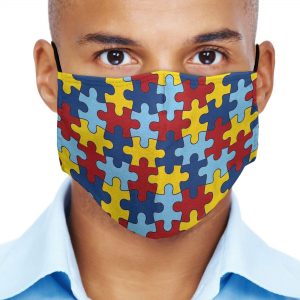
For your Autism Awareness face-covering/bandana click here.
Face Coverings – Preparing your young person to wear a face-covering
Written by our expert Mags Canning, teacher, and parent of a SEN child
I don’t know about you but I’m trying to get used to wearing a face-covering when out and about in enclosed spaces. I’m also still trying to get used to seeing everyone out with them on too. I look at people and am starting to realise how it must be for someone with Autism to read how people are feeling. Are they happy or sad? Do they want me to say hello? Or would they rather be left alone? I really don’t have a clue!
Are you preparing your young person to wear a face-covering when returning to school? I know of some people with SEND who will actively like wearing a face covering as it will help their anxieties, especially around germs and cleanliness. Others won’t want anything near their faces, which is understandable as they’re not the easiest things to get used to wearing.
If you do want your young person to wear a face-covering now is the ideal time to start getting them used to one. Find fabric in a pattern or one which has a character they like and get it made if they like the subject they will be more likely to wear it. Start by putting it on in the home where they are comfortable and at ease. Make it into a game, see who can wear the covering for the longest, play a feelings game, pull a face, and try to guess just by looking at the other person’s eyes.
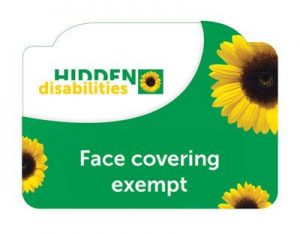
Hidden Disabilities – As I mentioned a couple of weeks ago, some people are exempt from wearing face coverings. If your young person doesn’t take to it, don’t worry but please try and get them used to seeing others wearing face coverings. If you want peace of mind visit https://hiddendisabilitiesstore.com/ where you can purchase cards, lanyards, and many other items to show you have a hidden disability without the need to explain.
Although the government hasn’t said school staff are to wear face coverings, I know a lot of my colleagues will be so the more your young people see it as ‘the new normal’ the better it will be. School staff want nothing more than to get everyone back and learning but we also want everyone to be safe. We don’t want your young person, your family, or any of our colleagues and their families to become ill. Please let your young people know school will be different, some staff will be wearing face coverings or clear face shields, all this with a recovery curriculum, one way systems, bubbles, and many other changes.
For now, stay safe.
Mags
magscanning20@gmail.com
Please see useful links on face masks in interesting links below
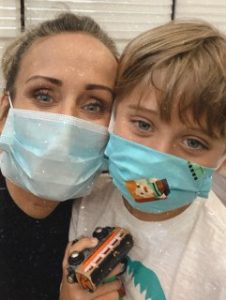
Positive News! – Sam, who has autism, is thriving in his first full-time job at IBM
Covered by ABC News, Australia
Sleep – Disturbances in autistic children
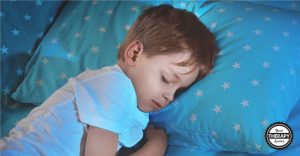
Autism, as we have already mentioned in previous issues, is a developmental disability affecting children and adults who demonstrate mild to severe deficits in social interaction, communication, and behaviour. Sleep difficulty is also an issue that parents of autistic children often report.
According to research, the most frequently reported sleep problems to include difficulty in falling asleep, restless sleep patterns (REM), children demonstrating an inability to fall asleep in their own bed, and midnight sleepless patterns where children stay awake. Other sleeping issues that are often reported are midnight headaches, possibly due to the lack of sleep, sleepwalking, sleep disturbances with reported wailing and crying due to possible nightmares or even apnea.
Sleep patterns are usually one of the symptoms of autism though research has not prevailed empirical data to demonstrate whether this is one of the most important issues to look for in young children. With sleeping disturbances being one of a difficult pattern, it can often make things difficult for parents as they struggle to manage with other developmental disturbances of autism. Of course, the lack of sleep poses great daily struggles in any of us let alone children with autism as it can create greater behavioural issues or societal disturbances and even low attainment in school.
Research has shown the sleep-wake pattern might be an origin of a paleo-pattern where ancestral behaviours demonstrated that sleeping was intentionally interrupted to create a pattern where humans protected themselves from predators. Without stronger evidence on the field, it would be best to consider that unintentional sleep disturbances can be remedied by insisting on sleep patterns regulated by parents from an early age. This would also aid school attainment and social interactions. Changing the temperature in the room and regularly checking that a cooler environment is maintained, keeping a diary, or watching food patterns could also help with sleep pattern conditioning. Alternatively, there are a lot of homeopathic remedies that can be used but please make sure you consult a professional prior to using any or even meditation, and yoga can even help.
If you would like more information please follow the following links:
https://www.nhs.uk/conditions/autism/autism-and-everyday-life/help-for-day-to-day-life/
https://www.autism.org.uk/about/health/sleep.aspx
Vasiliki Kontou is a BA Education, MA TESOL, NASENCo, and SpLD specialist. Having worked in secondary schools for the last 22 years, Vasiliki is now operating as a British Education consultant and CEO of Tutor Supply nationally with a global perspective.
Community, Interesting Links and Contacts
Face Coverings
Further advice from mother, Chrissy Kelly https://theautismhelper.com/helping-kids-wear-a-face-mask-covid-19/
Sleep
Useful Information and sleep diary example – https://www.amaze.org.au/wp-content/uploads/2019/08/Amaze-Information-sheet-Sleep-problems-in-autistic-children.pdf
Autism Speaks is dedicated to promoting solutions, across the spectrum and throughout the life span, for the needs of people with autism and their families. https://www.facebook.com/autismspeaks/
Recommended Websites:
https://www.autism.org.uk/services
https://www.ambitiousaboutautism.org.uk//helplines/main.aspx
http://www.autismforward.org.uk/
Thank you for reading our seventh issue of GRO KIND! We would like to say a MASSIVE THANK YOU to all of our amazing contributors who have helped create this issue. An especially big THANKS to Emma Jenkins who helps assist with interesting links and features each week.
We would love to hear your feedback. This is your space, your community so if you have any questions for the GRO PRO team to answer in the next issue or would like to share your story with other like-minded people, please do get in touch.
If you are are an expert in the field and feel there is something you would like to contribute, please get in touch. We would love to hear from you.