

GRO KIND
Written by a collection of autism experts including our very own Kate Victoria Drohan.

Welcome to GRO KIND!
We are very excited to launch our new LENGRO feature focused on helping the communities surrounding Autism with informative and uplifting stories from our team of wonderful contributors. We understand that this is a huge spectrum to cover, so if you would like to see any information on a specific area, have a question for the expert team (GRO PROS as we call them) or feel you have a something to share yourself, please do get in touch with us. We are listening.

My Special World
We open this week with our interview with Claire Simpson, the strong and devoted mother of 27-year-old Tommy. We find out more about her journey with autism, connection with her son, and her advice to new parents.
Hi Claire, we’re looking forward to hearing your story. Please can you start by telling us how you felt when your son was first diagnosed?
My son, Tommy (27), was diagnosed as Classically Autistic combined with learning disabilities at 3 years 8 months. That day I will never forget. Life was going to be very different from that moment on. Being told your child will be different with communication and social issues was extremely hard to take. I brought with it a sense of bereavement, isolation, and emotional pain which hung around for quite a few years. Sadly there was very little support back then, so I felt quite lost most of the time in how I would cope and learning to understand all about autism. It was quite a few years before I started to understand who Tommy really was with no verbal communication – it was a timely process.
How did you first learn to connect with Tommy?
Autistic people see the world very differently to mainstream so I started to bring myself to his level and parrot-fashion certain things he did to show him I was similar to him. He started coming out of himself more and more. I instilled a sense of humour in him and showered with tactile love and hugs. It worked. He is happy most of the time and has the most infectious laugh!
What has your journey been like with Tommy?
We have been through everything imaginable! Working through his special educational plan for special schools and colleges to seeking appropriate respite placements that would meet his needs. We nearly lost Tommy when he was four years old when he contracted full-blown meningitis. It was touch and go but he recovered and came bouncing back. Tommy’s understanding has developed slowly over the years. He is very bright and switched on when he wants to be. He has a gift for ten pin bowling and wins quite often!
I looked after Tommy for twenty years and for the past seven years he has been living with three guys of a similar condition in supported living. He is very happy and settled there and sees us still at the weekends which he loves. But of course, you can’t miss a weekend! Due to routine, he gets very upset but luckily this doesn’t last long and he can now process this in his own way.
What advice do you have for new parents coming into this world?
All of you new parents who are now dealing with your children having been diagnosed on the autistic spectrum will be trying to cope with many different challenges. Trying to keep a positive attitude can be extremely hard at times and fears for your child’s longterm future is never far from your mind. I’m happy to say that today there is more help and information available these days with so many more people being diagnosed with the condition. I think the most helpful thing is to meet with parents who are in the same boat. It’s a secure feeling to know you are not alone and others are going through exactly the same things you are so you don’t have to be isolated it that bubble alone. Try and join a support group and perhaps set up a What’s App group, allowing new parents you meet to join. It’s a great thing to share stories (and of course some much-needed humour) at the moment and help each other with the day-to-day. It helped me immensely but I didn’t discover this until Tommy was eight.
You are far from trying to cope alone. There is a much more experienced and supportive network within reach for you to help you down this unique and challenging road.
Claire became a support worker herself for over ten years supporting families with practical, educational, and emotional support for parents with newly diagnosed children.

Mental Health – Helping Yourself to a Better You
For Parents of Autistic Children by Vasiliki Kontou
Autism affects not just the person itself but everyone around them and in different ways. Although it is hard enough for autistic people to manage their daily routine, it can often be, more so, tiring for parents of autistic children or carers to consistently strive for the wealth and health of those they care for, thus, neglecting themselves.
Focusing primarily on caring for someone with autism can often have a detrimental effect on your relationship, other family members such as siblings, work, and mental health. It is, therefore, important to consider that high levels of stress and anxiety can lead to depression. This can be avoided by the use of appropriate intervention but first, it must be recognised by yourself and family members alike.
If you find yourself to be one of those parents experiencing an overwhelming sense of anxiety and feel that you can no longer cope, do not despair. There is help out there and you have certainly come to the right place. So, to begin with, remember that making a small change now can have a huge difference in the future, not just for you but for those you care for, too. If you find yourself that your daily routine is overtaking you:
- Simply slow down. It might seem difficult but it’s not impossible.
- Consider dedicating some of that time to yourself maybe exercising, meditating, or even investing in that long-needed treat for yourself.
- Gain control of your anxiety and fear is another aspect you might need to improve. As a parent, you might often ask yourself whether you have been doing the right thing.
- Stop the self-doubting and believe that your wonderful self has actually got you and your child where you are now.
- Be grateful to yourself, and remember, there is nothing wrong with asking for help.
- Take that exercise class you have been waiting for.
- Invest your 10-minute break to a meditation slot.
- Have the afternoon with your friends.
- Catch up on a movie.
- Seek support from social parenting groups; educational support groups; counselling and psychological professionals
- Check your health and focus on small healthy changes that will make you feel better.
- Keep a visual chart; expressive writing; keeping a diary and other forms of relaxation techniques such as yoga could also form part of the new you.
So, what would be your first step to the new, improved you?
Vasiliki Kontou is a BA Education, MA TESOL, NASENCo, and SpLD specialist. Having worked in secondary schools for the last 22 years, Vasiliki is now operating as a British Education consultant and CEO of Tutor Supply nationally with a global perspective.


Positive News – Autism and Lockdown
Written by Specialist Teacher & Mentor Deb Hannah
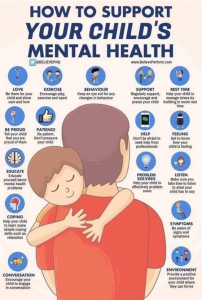
In the early days of lockdown, many autistic people (along with the general population) were experiencing fear and anxiety about the future and this was impacting their mental health. My approach as a mentor was to make sure that each individual was equipped to develop their own set of practical strategies to get through this difficult time and rationalise what was happening in the outside world. Exploring personal thoughts and feelings, the pandemic had induced, was key to developing and maintaining good levels of mental health and anxiety. Practicing daily routine and setting tasks, goals, and receiving rewards have been some of the strategies that have helped people to keep a positive focus.
The response from the adults I support has been mostly positive with feedback suggesting they have dealt with the pandemic and lockdown better than they imagined they would. In fact, mentees have reported increased interaction with others, engaging safely in online activities including support groups, choirs, and workshops. Learning new skills and developing friendships are some of the positives that have been identified from this time. Many have also stated that the safety and comfort of being at home have allowed them to deal with the changes to daily life in a rational way.
Lockdown has been challenging for parents (even more so those with children with disabilities) the loss of routine and contact with others has been difficult for both adults and children. One parent who has a child with ASD and worked from home during lockdown found it challenging but is now considering homeschooling on a permanent basis due to a marked increase in the child’s overall confidence, happiness, and wellbeing. This experience may not be typical however and lockdown has certainly provided the opportunity for us all to get to know ourselves and others better, whether we wanted to or not.
So how has it been for you? Did you find it has brought about positives such as increased resilience? Or have you struggled to cope? Over the next few months and accessible support should be widely available to ensure we are helping people to develop and maintain good mental health after the impact of the COVID 19 pandemic.
Deb Hannah is a specialist teacher and mentor who for over 30 years has been supporting people with disabilities. She is passionate about being positive about autism and believes that every individual can achieve their goals and maintain wellbeing with the right support.
Find me @debmentor on twitter
Deb’s recommends these links to find further information and support networks:
https://www.autism.org.uk/services
https://www.ambitiousaboutautism.org.uk//helplines/main.aspx
Advice from the Experts – Picking your battles
Written by our anonymous expert
Do you ever have those days when everything seems to be going against you? You’ve run out of milk for your morning coffee? You can’t put on a pair of tights without causing them to ladder? Where did I put my phone, car keys? We know what’s causing our frustrations and usually, we can deal with them but some days we can’t and may break down over the smallest thing.
Imagine you’re a child, even neurotypical children have meltdowns, sometimes over what we perceive as nothing, what do we do? Most of the time we are understanding and calm, we talk through whatever the issue is, help them work through their frustrations.
Now imagine you’re a child or even an adult on the Autistic Spectrum; Yes believe it or not when a child with special needs hits adulthood they don’t suddenly stop behaving the way they always have, the same things still make them upset and angry. Some may have learned to express themselves a bit better but they will still have days when their behaviour is difficult.
We may ask ourselves over and over again, how can I help my child, whatever I do they aren’t listening, we get frustrated. The frustration we feel in trying to help our child is nothing compared to their frustration.
Think about that annoying tag you have in that one t-shirt you love, sometimes you can put up with the itch, another day it becomes so bad that your only option is to cut it out, but after you’ve sorted the problem everything is fine again.
If you have special needs, you might find that after that one experience of having an annoying tag, every tag has the same effect, even if in reality it’s in a different garment. The only solution from then on is to cut all the tags out of all clothes, problem solved.
I remember watching the BBC documentary, Chris Packham: Aspergers and Me, which gave me much more insight into the Autistic world. He was able to explain how he needs to be in control of his environment, sitting in the same chair, wearing the same clothes, well not the same clothes but he buys three, four, or five of the same thing as he feels comfortable in them.
So for me, it makes sense why our children might want to wear their old clothes and not the new ones which you have lovingly bought for them. Does it matter if your child wears the same clothes day in day out, probably not as long as they are clean? Go and buy more of the same, take them shopping let them choose their clothes, once they wear them regularly buy more of the same in different sizes. Yes to us an orange t-shirt and pink trousers don’t really go together but if your child is happy, does it matter? Food can also be another issue, I would say offer different food but if they refuse, take it away before it’s thrown, try and get vitamin supplements to help with their nutritional deficit. The same goes for most things, as long as it’s not causing them any harm, why cause a problem out of it. If they’re happy you will be too.
So this is where picking your battles come in, yes they must have a daily hygiene and bedtime routine, they must stay with you when out, not talk to strangers; but if they want to wear some outlandish outfit, let them, if they want to take their favourite blanket out, let them, make sure you don’t lose it though! If they want to eat chicken nuggets for every meal, let them, they’re eating, they won’t be hangry and we all know how we feel when we’re hangry!
Just remember, they’re not hurting anyone and hopefully without the constant battles your life will become a bit better.
Inspirational Reading: Interview with Chris Packham on living with Aspergers

Community, Interesting Links and Contacts
Thank you for digesting our first issue of GRO KIND! We would like to say a MASSIVE THANK YOU to all of our amazing contributors who have helped create this issue.
We would love to hear your feedback. This is your space, your community so if you have any questions for the GRO PRO team to answer in the next issue or would like to share your story with other like-minded people, please do get in touch.
If you are are an expert in the field and feel there is something you would like to contribute, please get in touch. We would love to hear from you.
Audio Book of the Week:
The Complete Guide to Aspergers Syndrome by Tony Attwood (available on Audible)
Follow on Facebook:
Occupational Therapist and mom sharing OT tools for therapists, teachers, & parents. The OT Toolbox your resource for all things pediatric development.
Public Figures
Organisation
Autism Speaks is dedicated to promoting solutions, across the spectrum and throughout the life span, for the needs of people with autism and their families.
Recommended Websites:
https://www.autism.org.uk/services
https://www.ambitiousaboutautism.org.uk//helplines/main.aspx